Business Name: FootPrints Home Care
Address: 4811 Hardware Dr NE d1, Albuquerque, NM 87109
Phone: (505) 828-3918
FootPrints Home Care
FootPrints Home Care offers in-home senior care including assistance with activities of daily living, meal preparation and light housekeeping, companion care and more. We offer a no-charge in-home assessment to design care for the client to age in place. FootPrints offers senior home care in the greater Albuquerque region as well as the Santa Fe/Los Alamos area.
4811 Hardware Dr NE d1, Albuquerque, NM 87109
Business Hours
Monday thru Sunday: 24 Hours
Facebook: https://www.facebook.com/FootPrintsHomeCare/
Instagram: https://www.instagram.com/footprintshomecare/
LinkedIn: https://www.linkedin.com/company/footprints-home-care
Families hardly ever call me about home care when everything is going smoothly. The call usually comes after a scare: a fall, a medication mix‑up, a car mishap, or a neighbor finding Mom wandering outdoors in the evening. The question beneath all the information is usually the exact same:
"How do we keep Dad safe without removing the life he still takes pleasure in?"
That stress between self-reliance and safety sits at the heart of elder care. The majority of older adults increasingly value their routines, their homes, and their autonomy. Their adult children, frequently residing in another city and balancing professions and kids, lie awake fretting about what may take place when nobody is there.
Home care, when it is attentively prepared and appropriately supervised, uses a way to honor both sides of that equation. It supports genuine self-reliance, not just the impression of it, while putting practical protections around the threats that include aging.
This is not theory. It is the day‑to‑day reality in living rooms, cooking areas, and driveways across the country, from hectic cities to Albuquerque neighborhoods with cracked pathways and summertime heat that can turn a short walk into a health danger.
Let us stroll through how in‑home senior care really works when it is succeeded, where its limitations are, and how families can utilize it to preserve a parent's dignity and choice without closing their eyes to safety concerns.
What elders suggest by "independence" (and why that matters)
Professionals discuss "independent activities of daily living" and "practical status," but that is not how older adults think. When I ask older clients what independence implies to them, the answers are specific.
"I want to make my own breakfast."
"I want to stay in this house up until I pass away." "I wish to take care of my canine." "I do not want my kids managing my cash."Those may sound basic, yet underneath them sit powerful styles:
- Control with time and routine Control over personal space and ownerships Control over decisions, particularly medical and monetary
If a home care plan ignores those themes and focuses just on safety, it will quickly reproduce bitterness. I have actually seen completely well‑designed care schedules stop working since a caregiver kept "helping" with jobs the elder still wanted to do alone. The household felt relieved. The elder felt removed of skills.
Effective senior home care starts with a blunt conversation:
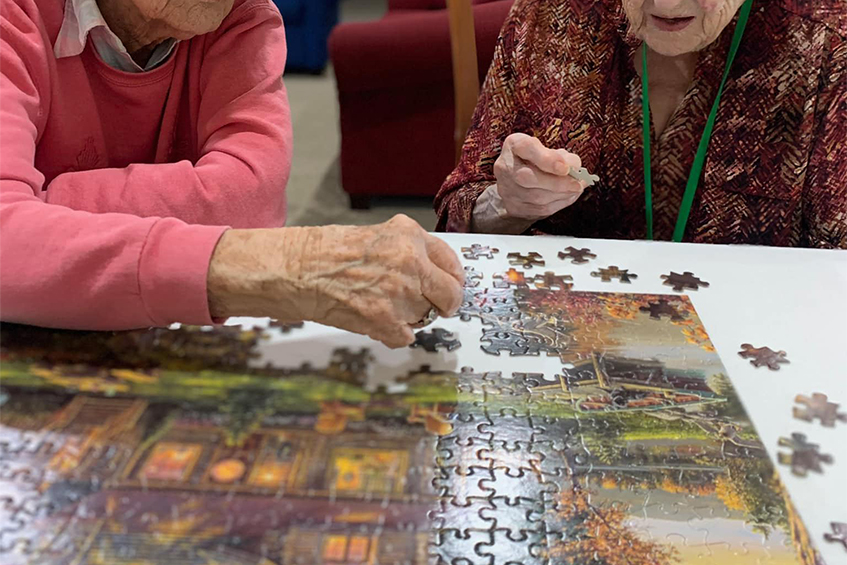
What does "still living my own life" indicate to this particular person, in this particular home, with their particular health conditions?
The responses direct whatever else.
The peaceful risks behind the front door
Most unsafe events that press households towards assisted living or nursing homes do not come out of nowhere. They build gradually in ordinary spaces.
I typically walk through a home and psychologically layer danger over the layout:
The restroom that has no grab bars, where a slick tile and a loose rug can mean a hip fracture.
The kitchen where an older grownup has to get on a chair to reach dishes. 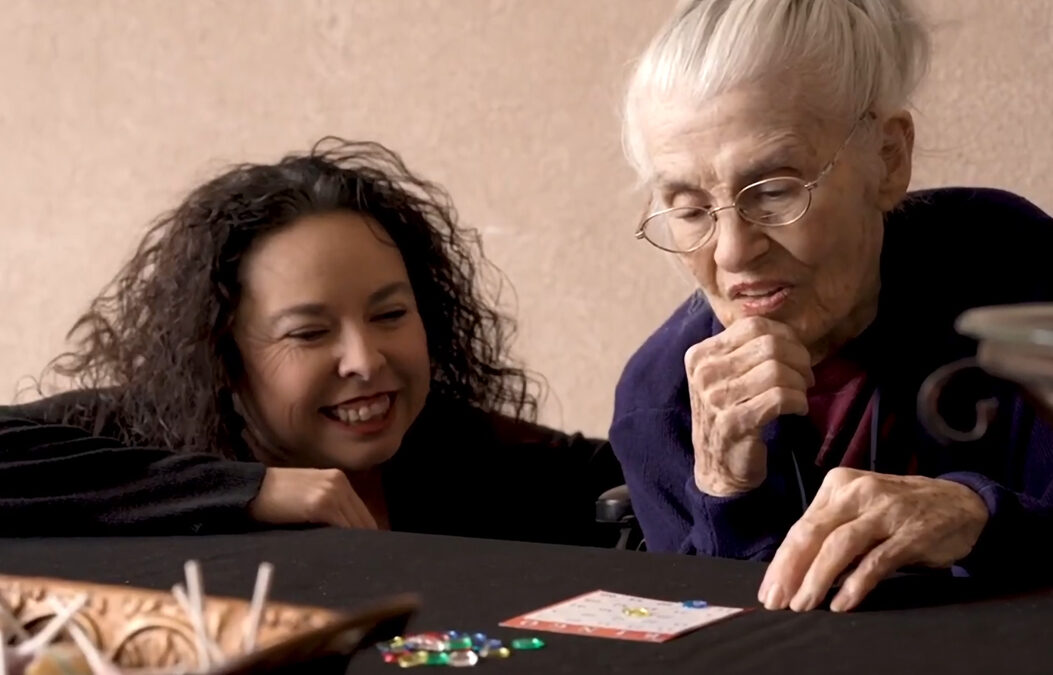
In hotter climates, consisting of Albuquerque and the surrounding location, easy trips can likewise turn risky. A short walk for mail in 95‑degree heat, carried out by somebody with heart issues who forgot to consume water, ends up being more than regular workout.
These threats are why households in some cases default to the idea that a center is automatically much safer. Yet safety does not just depend upon the building. It depends upon guidance, routines, and how promptly issues are discovered and resolved. Well‑organized in‑home care can match or exceed that level of oversight, while leaving the elder in a familiar environment.
How home care supports genuine independence
Home care is not one thing. It is a toolkit that can be adjusted with time. When families comprehend the specific tools, they can design assistance that cuts threat without flattening autonomy.
Support with everyday jobs, not takeover
Professionals call these tasks Activities of Daily Living (ADLs): bathing, dressing, toileting, moving, consuming. There are also Important Activities of Daily Living (IADLs): cooking, laundry, shopping, paying expenses, handling transport.
A knowledgeable caretaker does not immediately step in and "do everything." Instead, they view how the person moves and ask:
Which pieces are unsafe?
Which pieces are tiring however still safe? Which pieces are essential to this individual's identity?Take bathing as an example. One of my customers, a retired instructor in her late seventies, wished to shower herself but had bad balance. The caretaker established the bathroom so that the elder might wash separately while seated, with the caretaker close-by and within earshot. The elder managed washing and drying. The caregiver managed the logistics: non‑slip mat, right water temperature level, towels in reach, safe step in and out.
The result: safety improved, but the elder still knowledgeable herself as someone who "looks after my own hygiene."
Medication management that respects choice
Medication is among the most typical triggers for transferring to assisted living. Missed doses, double doses, and avoided refills can send out somebody to the emergency clinic.
In home care can present layers of security without dealing with the older grownup like a kid. A common method might combine numerous components:
- A weekly tablet organizer filled by a nurse or member of the family Reminders from the caretaker at scheduled times, with the elder still physically taking the tablets A simple log, signed or checked off, so the family and doctors can see patterns
The key is to keep the elder in the chauffeur's seat. I often recommend asking, "How do you want us to assist you keep in mind?" rather than, "We are going to take control of your medications." That small shift keeps the sense of agency undamaged.
When amnesia advances into moderate dementia, the balance changes. At that point, the best and most considerate option might be for the caregiver to completely manage and hand over each dose while still talking the elder through what they are taking and why.
Mobility and fall prevention: flexibility to move, not sit
Nothing robs self-reliance quicker than a major fall. Yet excessively mindful relative in some cases swing to the other extreme, discouraging any strolling "just in case."
Home care allows a more nuanced technique. A knowledgeable caregiver can:
- Encourage regular, supervised motion around your house and backyard Assist with transfers in and out of bed, chairs, and the automobile Work with physiotherapists to enhance proposed workouts
One gentleman I worked with in Albuquerque loved his small yard garden. After a fall, his child wished to lock the back entrance. Instead, we compromised. The caregiver walked him out to the garden every afternoon, remained close while he examined the plants, and then strolled back with him. We added a stable outside chair and a handrail by the single step.
He kept a treasured everyday ritual. His daughter slept much better at night.
Cognitive support: staying sharp, not simply "protected"
Independence is not only about physical function. It is likewise about feeling psychologically engaged and respected.
Good in‑home senior care builds small, everyday chances for thinking and option into the regimen:
Asking the elder to help plan the day's meals, choose clothes that suit the weather condition, or choose which pal to call first.
Welcoming them to discuss old photos, inform stories, or share music from their past. Encouraging them to handle easy jobs they can still handle, like folding towels or writing a wish list.These moments do more than pass time. They send a subtle message: "You are still the specialist on your own life."
Emotional safety is part of physical safety
Safety is not just grab bars and blood pressure logs. Emotional distress, loneliness, and untreated depression can directly weaken physical health. Individuals who feel useless or isolated are much less most likely to take medications properly, consume well, or speak out about new symptoms.
The presence of a consistent caretaker can soften those dangers. I often see a visible change in customers who, after weeks of minimal interaction, suddenly have somebody in the home who discovers their preferences, listens to their stories, and notices when they are "not rather themselves."
In one case, a caretaker picked up on subtle changes in a client's speech and energy long before the household did. Her quiet note in the communication log resulted in a medical professional visit, which uncovered a urinary system infection that could have advanced to delirium or hospitalization.
Relationships are not an "additional" in home care. They are part of the safety net.
Practical methods home care improves safety without feeling restrictive
When households request particular examples of how home care can keep somebody safe while still honoring self-reliance, I generally indicate a tight group of practices that make the biggest difference.
Here is a concise view of them:
- Personalized home safety changes: Simple modifications such as getting rid of loose rugs, enhancing lighting, marking step edges, and reorganizing regularly used products to waist height minimize fall threat without altering how the home feels. Many firms will do an official home safety assessment before starting care. Monitored, not prohibited, activities: Rather of forbidding cooking, bathing, or short strolls, a caregiver can be present, help with the riskiest parts, and step in rapidly if needed. This turns previously hazardous routines into safe, supported ones. Early detection of modifications: Routine caretakers discover small shifts in speech, cravings, balance, or state of mind. Those patterns frequently expose heart issues, infections, or medication adverse effects before they escalate. Structured yet flexible regimens: Predictable everyday rhythm aids with sleep, blood glucose, and mood, however within that structure the elder can pick timing and order of activities. For somebody with early dementia, this balance can delay more extensive care needs. Safer transportation and errands: Instead of driving themselves on busy Albuquerque streets, a senior may ride with a caretaker who helps with stairs, heat direct exposure, and carrying bags, while the elder still decides where to go and what to purchase.
None of these tools gets rid of option. They frame choice inside much safer boundaries.
When home care is insufficient on its own
As much as I operate in and advocate for senior home care, I am blunt with households about its limitations. There are situations where even the very best in‑home care might not offer appropriate safety, or might end up being economically and logistically unsustainable.
A few recurring patterns raise warnings:
Severe wandering and nighttime confusion. If someone with dementia consistently leaves the house during the night, even with alarms and door locks, full 24‑hour guidance might be required. That level of in‑home care quickly becomes more pricey than lots of assisted living or memory care facilities.
Frequent medical crises. If a senior has duplicated hospitalizations for heart failure, advanced COPD, or unsteady diabetes, their requirements may shift toward competent nursing or hospice care. Home care can support, however not replace, round‑the‑clock nursing oversight.
Unresolved aggression or risky habits. A small minority of customers develop habits that place caretakers or member of the family at risk, such as physical hostility, unchecked fires from cooking, or declining all medications. Facilities with specialized training and safe environments may be the safer choice.
Profound caretaker burnout. In some cases the barrier is not the elder's condition, but the household's fatigue. If the main household caretaker is collapsing under the pressure, and in‑home services are insufficient to eliminate that problem, a residential setting can secure both parties.
The best question is not "home or center permanently?" It is "provided the present condition, what is the least limiting, sensible environment that supplies appropriate safety?" That answer can alter over time.
Choosing a home care company that genuinely supports independence
Not all home care firms are equivalent. The difference in between a good and a mediocre fit typically appears in small details that either assistance or silently wear down independence.
When households in Albuquerque or any city ask how to choose carefully, I motivate them to look beyond marketing language and focus on behavior.
Key areas to explore in discussion:
Philosophy of care. Ask how they stabilize independence and safety when there is a conflict. Listen for how they handle danger. A thoughtful agency will discuss "self-respect of danger" and shared decision‑making, not a one‑size‑fits‑all rule.
Caregiver training and guidance. Ask about how caregivers are trained in fall avoidance, dementia care, and interaction with resistant seniors. Ask how frequently supervisors visit the home and how concerns are handled. Great companies do not send out workers out and disappear.
Consistency of staffing. Frequent caretaker changes are disruptive, particularly for those with memory concerns. Ask what percentage of shifts are filled by the exact same main caregiver and what backup plans exist for disease or emergencies.
Experience with your parent's specific needs. For instance, if your father has Parkinson's and resides in an older Albuquerque adobe home with narrow doorways, you want a team used to both motion disorders and older real estate stock, not only clients in modern, available condominiums.
Communication habits. Clarify how and how frequently you will get updates. Households who live out of state normally require structured interaction: weekly e-mails, a shared online log, or arranged phone calls, not simply "call us if something happens."
When brother or sisters disagree about safety and independence
Home look after parents can expose long‑standing household dynamics. One brother or sister might promote maximum self-reliance: "Mom is fine, she has lived alone for 40 years." Another may push for maximum safety: "If anything happens, I can not manage the guilt."
An experienced elder care supplier, or a neutral 3rd party such as a geriatric care supervisor, can assist households move past viewpoint and into truths. I often walk brother or sisters through 3 concerns:
What specific risks are we worried about?
What particular capabilities does our parent want to preserve? What alternatives, consisting of in‑home care, can lower the threats without unnecessarily stripping those capabilities?Home care can act as a happy medium, a trial solution. Instead of arguing abstractly about whether Dad is "safe at home," a household can consent to introduce a caretaker for a minimal period, then reassess based upon observed changes and outcomes. The conversation then shifts from fears https://cruzgueh534.almoheet-travel.com/how-in-home-senior-caregivers-promote-daily-hygiene-and-convenience to data: fewer falls, improved medication adherence, minimized emergency visits, or more stable mood.
Common myths about in‑home senior care
Misunderstandings about home care typically delay assistance till after a crisis. Attending to these misconceptions early can open much better options.
Here are a few of the myths I still hear most often:
- "Home care will make my parent reliant." In truth, thoughtful home care can extend the duration of safe self-reliance by preventing the kind of injuries and crises that force unexpected moves. The goal is to support what the elder still succeeds, not to take it away. "It is only for individuals who are really sick or very old." Lots of clients start with just a few hours a week concentrated on transport, meal prep, or light housekeeping. Beginning earlier enables a gentle ramp‑up instead of an emergency scramble. "Caretakers will take over your home." Trustworthy companies train caretakers to respect borders, involve the elder in choices, and follow a care plan shaped by the household and client. If you ever feel a caretaker is exceeding, that is a conversation with the firm, not a factor to prevent home care entirely. "Facility care is constantly more secure." Facilities can be more secure for some scenarios, but they are not magic. Falls, infections, and medication mistakes occur there too. The quality of oversight, staffing levels, and responsiveness matter just as much as the setting itself. "We can not afford it, so there is no point looking." Expenses vary commonly. Some households start small, usage long‑term care insurance, combine personal pay with veteran advantages, or generate aid just throughout the riskiest times of day. Checking out alternatives often exposes more versatility than individuals expect.
The earlier households dispose of these misconceptions, the earlier they can tailor home care in a manner that truly serves both safety and independence.
A realistic path forward for families
Home care is not a magic service, but it is an effective tool when utilized with clear eyes and constant interaction. At its finest, it does 3 things at once.
First, it lets older adults remain in the location where their memories live: the worn kitchen table, the familiar creak of the corridor floorboard, the morning light that comes through the same east‑facing window. Environment matters deeply in late life, especially for those with cognitive decline.
Second, it covers that familiar environment in useful safeguards: another set of eyes on the pillbox, another stable arm for the shower, another motorist who understands where the shady parking spots are on a hot Albuquerque afternoon.
Third, it enables households to shift functions. Adult kids can start being sons and daughters again rather of overdue, tired full‑time caregivers. Visits can revolve more around discussion and connection than around rushed bathing, cleansing, and medication wrangling.

Striking the ideal balance between self-reliance and safety is not a one‑time decision. It is a continuous change, tuned to the elder's changing health, the family's capability, and the resources available in the regional neighborhood.
Thoughtfully created in‑home senior care offers you more space to make those modifications gradually, rather of only after a crisis. It offers a useful, gentle middle path: neither reckless autonomy nor unnecessary limitation, but a living plan where an older grownup can still recognize their own life and say, with honesty, "I am home, and I am taken care of."
FootPrints Home Care is a Home Care Agency
FootPrints Home Care provides In-Home Care Services
FootPrints Home Care serves Seniors and Adults Requiring Assistance
FootPrints Home Care offers Companionship Care
FootPrints Home Care offers Personal Care Support
FootPrints Home Care provides In-Home Alzheimer’s and Dementia Care
FootPrints Home Care focuses on Maintaining Client Independence at Home
FootPrints Home Care employs Professional Caregivers
FootPrints Home Care operates in Albuquerque, NM
FootPrints Home Care prioritizes Customized Care Plans for Each Client
FootPrints Home Care provides 24-Hour In-Home Support
FootPrints Home Care assists with Activities of Daily Living (ADLs)
FootPrints Home Care supports Medication Reminders and Monitoring
FootPrints Home Care delivers Respite Care for Family Caregivers
FootPrints Home Care ensures Safety and Comfort Within the Home
FootPrints Home Care coordinates with Family Members and Healthcare Providers
FootPrints Home Care offers Housekeeping and Homemaker Services
FootPrints Home Care specializes in Non-Medical Care for Aging Adults
FootPrints Home Care maintains Flexible Scheduling and Care Plan Options
FootPrints Home Care is guided by Faith-Based Principles of Compassion and Service
FootPrints Home Care has a phone number of (505) 828-3918
FootPrints Home Care has an address of 4811 Hardware Dr NE d1, Albuquerque, NM 87109
FootPrints Home Care has a website https://footprintshomecare.com/
FootPrints Home Care has Google Maps listing https://maps.app.goo.gl/QobiEduAt9WFiA4e6
FootPrints Home Care has Facebook page https://www.facebook.com/FootPrintsHomeCare/
FootPrints Home Care has Instagram https://www.instagram.com/footprintshomecare/
FootPrints Home Care has LinkedIn https://www.linkedin.com/company/footprints-home-care
FootPrints Home Care won Top Work Places 2023-2024
FootPrints Home Care earned Best of Home Care 2025
FootPrints Home Care won Best Places to Work 2019
People Also Ask about FootPrints Home Care
What services does FootPrints Home Care provide?
FootPrints Home Care offers non-medical, in-home support for seniors and adults who wish to remain independent at home. Services include companionship, personal care, mobility assistance, housekeeping, meal preparation, respite care, dementia care, and help with activities of daily living (ADLs). Care plans are personalized to match each client’s needs, preferences, and daily routines.
How does FootPrints Home Care create personalized care plans?
Each care plan begins with a free in-home assessment, where FootPrints Home Care evaluates the client’s physical needs, home environment, routines, and family goals. From there, a customized plan is created covering daily tasks, safety considerations, caregiver scheduling, and long-term wellness needs. Plans are reviewed regularly and adjusted as care needs change.
Are your caregivers trained and background-checked?
Yes. All FootPrints Home Care caregivers undergo extensive background checks, reference verification, and professional screening before being hired. Caregivers are trained in senior support, dementia care techniques, communication, safety practices, and hands-on care. Ongoing training ensures that clients receive safe, compassionate, and professional support.
Can FootPrints Home Care provide care for clients with Alzheimer’s or dementia?
Absolutely. FootPrints Home Care offers specialized Alzheimer’s and dementia care designed to support cognitive changes, reduce anxiety, maintain routines, and create a safe home environment. Caregivers are trained in memory-care best practices, redirection techniques, communication strategies, and behavior support.
What areas does FootPrints Home Care serve?
FootPrints Home Care proudly serves Albuquerque New Mexico and surrounding communities, offering dependable, local in-home care to seniors and adults in need of extra daily support. If you’re unsure whether your home is within the service area, FootPrints Home Care can confirm coverage and help arrange the right care solution.
Where is FootPrints Home Care located?
FootPrints Home Care is conveniently located at 4811 Hardware Dr NE d1, Albuquerque, NM 87109. You can easily find directions on Google Maps or call at (505) 828-3918 24-hoursa day, Monday through Sunday
How can I contact FootPrints Home Care?
You can contact FootPrints Home Care by phone at: (505) 828-3918, visit their website at https://footprintshomecare.com, or connect on social media via Facebook, Instagram & LinkedIn
Conveniently located near Cinemark Century Rio Plex 24 and XD, seniors love to catch a movie with their caregivers.